Pediatric Eye Exam Checklist: Signs Your Child’s School Performance is a Vision Problem

Pediatric Eye Exam Checklist: Signs Your Child’s School Performance is a Vision Problem

Pediatric Eye Exam Checklist: Signs Your Child’s School Performance is a Vision Problem

Pediatric Eye Exam Checklist: Signs Your Child’s School Performance is a Vision Problem

Pediatric Eye Exam Checklist: Signs Your Child’s School Performance is a Vision Problem

Pediatric Eye Exam Checklist: Signs Your Child’s School Performance is a Vision Problem

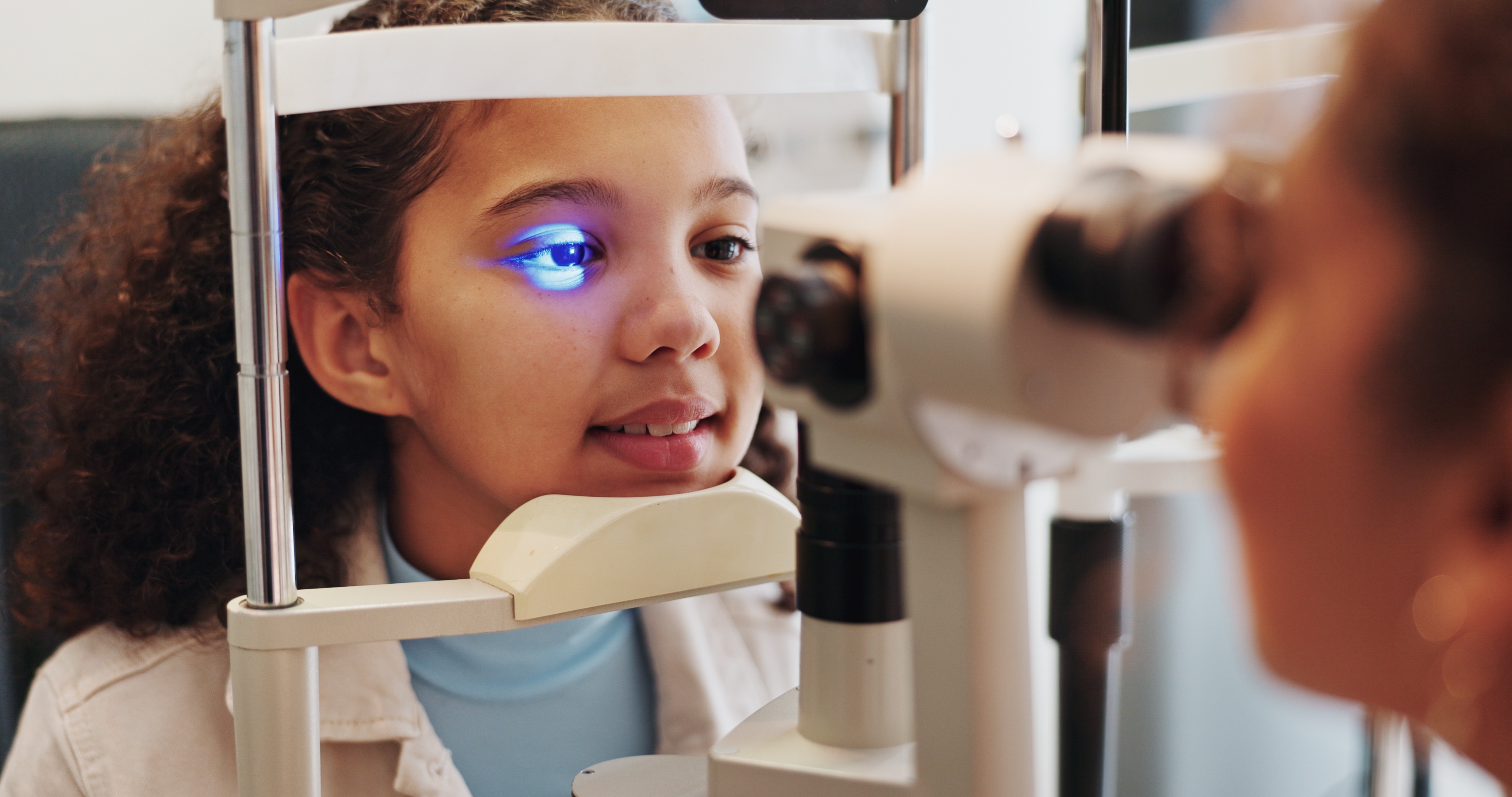
When a child struggles with reading, homework, or classroom focus, vision may not be the first concern that comes to mind. However, students rely on their eyes throughout the school day to read, write, copy from the board, use digital devices, and follow moving objects.
For New Braunfels parents, a comprehensive pediatric eye exam can help determine whether an uncorrected prescription or visual skills problem is making these activities more difficult. At Albright Eyecare, we evaluate children of all ages to identify vision concerns that may not be obvious at home or during a basic school screening.
School Performance Requires More Than 20/20 Vision
Seeing clearly across the classroom is important, but learning also requires the eyes to perform several tasks efficiently. Students must focus at close range, move their eyes smoothly across a page, shift focus between their desk and the board, and coordinate both eyes to maintain one clear image.
A child can have good distance vision and still experience difficulty with focusing, tracking, eye alignment, or another aspect of visual function. When these skills require extra effort, reading and homework may become tiring or frustrating.
A comprehensive pediatric eye exam looks beyond a standard eye chart to evaluate how the visual system performs during the types of tasks children encounter every day.
Signs Your Child May Need a Pediatric Eye Exam
Children do not always realize their vision is different from someone else's. Instead of saying that something looks blurry, they may develop habits that help them compensate.
New Braunfels parents should watch for:
- Squinting or sitting unusually close to screens
- Holding books or devices close to the face
- Losing their place or skipping lines while reading
- Using a finger to follow words across a page
- Frequently rubbing or closing the eyes
- Complaining of headaches after reading or homework
- Struggling to copy information from the board
- Covering or closing one eye during close work
- Avoiding reading or becoming frustrated quickly
- Experiencing noticeable difficulty with hand-eye coordination or sports
These behaviors do not automatically mean vision is responsible for school difficulties. Attention challenges, learning differences, fatigue, and other factors can produce similar signs. An eye exam helps determine whether a visual concern is part of the problem.
What Does a Comprehensive Pediatric Eye Exam Check?
At Albright Eyecare, a pediatric eye exam is adjusted according to the child's age, development, and ability to respond. Testing can evaluate near and distance vision, nearsightedness, farsightedness, astigmatism, eye alignment, eye movements, and overall eye health.
The doctor can also determine whether one eye sees more clearly than the other. Conditions such as amblyopia, often called lazy eye, can develop when one eye does not achieve normal visual development. Early detection is especially important because some childhood vision problems respond best when identified while the visual system is still developing.
Why School Vision Screenings Are Not Enough
School screenings serve an important purpose by identifying some children with reduced distance vision. However, passing a screening does not mean every part of the visual system has been evaluated.
A comprehensive pediatric eye exam provides a more detailed assessment of prescription needs, eye coordination, visual function, and eye health. This is especially useful when a New Braunfels student continues experiencing headaches, reading difficulties, or visual discomfort despite passing a school screening.
When Should Your Child Have an Eye Exam?
Parents do not need to wait until grades decline or a teacher notices a problem. Regular pediatric eye exams help establish a baseline and monitor changes as children grow.
An appointment is particularly important when your child has never received a comprehensive exam, has a family history of vision problems, frequently needs prescription changes, or shows recurring signs of visual difficulty. Children who already wear glasses or contact lenses also need ongoing exams to make sure their prescription and eye health remain current.
Give your child the visual support they need for school and everyday life by scheduling a comprehensive pediatric eye exam with Albright Eyecare at 1595 E. Common Street, New Braunfels, TX 78130. Call (830) 271-4900 to book an appointment.


Our Services
Information
Office Hours
- Monday 8:30 AM - 5:00 PM
- Tuesday 8:30 AM - 5:00 PM
- Wednesday 8:30 AM - 5:00 PM
- Thursday 8:30 AM - 5:00 PM
- Friday 8:30 AM - 5:00 PM
- Saturday Closed
- Sunday Closed
© 2026 Albright Eyecare. All rights Reserved. Accessibility Statement - Privacy Policy - Sitemap
Powered by: